Pouch variety and nicotine pouch selection: what changes across brands
Nicotine pouches look similar at a glance. They are small, flat sachets made for placing under the upper lip, and they come in cans. The details inside matter, though. nicotine pouch selection is not just about picking a flavour that sounds pleasant. Strength, pouch format, flavour style, can quantity and everyday availability all shape how suitable a regular choice feels.
For adults aged 18 and over, a varied selection makes it easier to compare products on their own terms. Two pouches can share a similar flavour name yet differ in nicotine strength, moisture, or how long the taste stays clear. A third may use the same strength but feel different because of the pouch format. Understanding those differences helps a person build a routine that stays deliberate rather than accidental.
What pouch variety actually covers
Variety is more than a long row of colours on a shelf. In this category, it usually means differences across several connected features:
- Brand range: different makers present their products in distinct ways, even when the broad idea is the same.
- Nicotine strength: products are organised by strength, which helps adults compare options with more care.
- Flavour variety: mint, fruit, citrus and other profiles can feel quite different over time.
- Pouch format: size, feel and moisture can affect comfort and how noticeable a pouch is.
- Can quantity: the number of pouches in a can affects how often a person needs to replace it.
These features overlap. A strong mint pouch may be crisp and direct, while a milder fruit option may be smoother and more rounded. That does not make one better in every situation. It means each product has a character, and the right fit depends on what an adult wants from it.
A store that offers a wide choice of pouch brands gives shoppers room to compare those characters instead of treating every pouch as interchangeable. That matters because regular use tends to reveal small details. A flavour that seems exciting at first may become tiring, while a quieter option may stay comfortable across repeated use.

How nicotine strength changes the choice
Nicotine strength is one of the first things to understand. It is commonly used to sort products into clearer groups, and it gives adults a way to approach selection with some structure. The useful question is not simply which strength sounds highest. It is which strength fits the person's tolerance, experience and reason for choosing pouches.
Someone new to the category may prefer to start with a lower strength and pay attention to how it feels. An adult who already knows their preferred range may look for consistency across brands. Neither approach depends on guessing. Reading the strength marking and keeping notes on how a product feels can make future choices easier.
It is also worth remembering that strength is only one part of the experience. Flavour intensity, pouch moisture and time used can change how a product is perceived. A pouched product with a sharp flavour may feel more assertive even at a moderate strength. A smoother option may feel gentler, though the stated strength remains the same. This is why nicotine pouch selection works best when strength is read alongside other product details.
Adults should also keep nicotine use within their own limits and follow the guidance given with the product. Nicotine is addictive, and pouches are intended for adults rather than young people, children or non-smokers.
Why flavour variety has a practical role
Flavour is often the first visible difference between products, but it has a practical role too. A regular selection benefits from more than one flavour because taste preferences can shift with routine. Mint can feel clean and familiar. Berry or citrus options can offer a different kind of lift. Some adults prefer a single dependable flavour. Others rotate between two or three so that no one taste becomes monotonous.
When comparing flavours, look beyond the name. A flavour can be sweet, sharp, cooling, herbal, or subtle. The same broad category can be handled differently by different makers. One mint may be cool and straightforward, while another may include a sweeter edge. One fruit flavour may be bright and tangy, while another may be soft and candied. Those differences become easier to spot when the range is broad enough to compare.
Having a small set of flavours also helps with context. A person may want something fresh during work, something milder in the evening, or something familiar while travelling. That does not require a large collection. It requires a few options that genuinely feel different.
Pouch format and the feel of daily use
Pouch format deserves attention because it affects comfort. Pouches can vary in size, softness and moisture level. Some feel slimmer under the lip. Some release flavour quickly. Others keep a steadier profile over a longer period. These details are easy to overlook when reading a product name, yet they often decide whether a pouch becomes a regular choice.

A useful way to compare format is to focus on a few simple questions. Does the pouch sit comfortably? Does it feel too dry or too wet for the person using it? Does the flavour fade quickly? Is the size noticeable during speech or eating? These are ordinary observations, and they can be more useful than broad claims about a product.
Comfort is personal. A pouch that one adult forgets about may feel distracting to another. This is one reason a wider product range can be helpful. It allows differences in feel to be explored without assuming that every pouch delivers the same experience.
Can quantity, price per can and product availability
Regular selection is also shaped by supply. can quantity matters because it influences how long a can lasts. A person who uses pouches often may care about having enough on hand. Someone who uses them occasionally may prefer to keep the choice small and avoid having too many open cans at once.
price per can is another practical point, though it should be read in context. A can with more pouches may look more expensive at first, while the cost per pouch may tell a different story. The sensible comparison is between products of similar size and strength. Mixing those details can make the comparison misleading.
product availability can affect consistency too. If a preferred pouch is hard to find, a person may end up switching to something less suitable. Keeping one or two acceptable alternatives in mind can make that easier. The aim is not to hoard every option, but to avoid being stuck with a product that does not fit.
How to narrow the range without narrowing too far
Choice is useful until it becomes confusing. A practical approach is to sort products by the features that matter most, then compare only a small number at a time. Start with nicotine strength, since that sets a clear boundary. Then consider flavour style, pouch format and can quantity. From there, a shortlist becomes manageable.
A simple comparison can look like this:
- One familiar pouch for consistency.
- One alternative strength for days when the usual choice feels too strong or too mild.
- One different flavour to prevent routine from feeling repetitive.
- One backup option that is easy to find.
That kind of selection does not require constant switching. It simply gives a person room to adjust. A regular routine can still be steady while allowing for taste, comfort and availability.
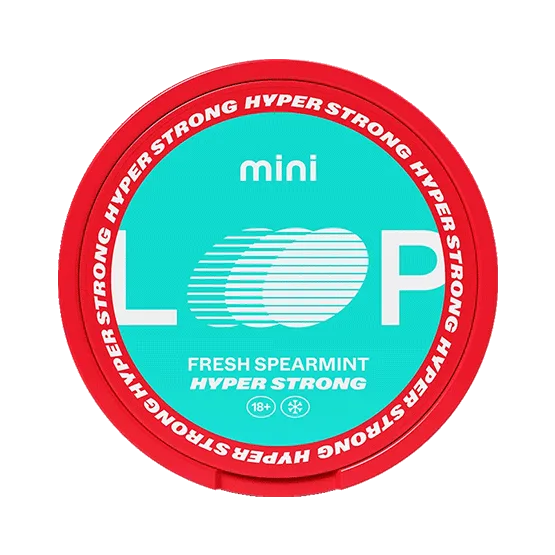
Age verification is another part of responsible access in the UK. Products in this category are for adults aged 18 and over, and age checks help keep that boundary clear. Any comparison of brands or strengths should sit within that framework.
What a varied selection means for the reader
The main value of variety is better judgment. When several brands and styles are available, product differences become visible. A shopper can compare flavour, strength, format and quantity rather than relying on a single familiar name. Over time, that makes choices more deliberate.
A wide choice of pouch brands can also make the category less one-dimensional. It allows an adult to notice that a stronger pouch is not always the most suitable, that flavour can change the feel of a product, and that comfort may matter as much as taste. A varied range supports a more thoughtful routine, built around clear preferences rather than habit alone.